
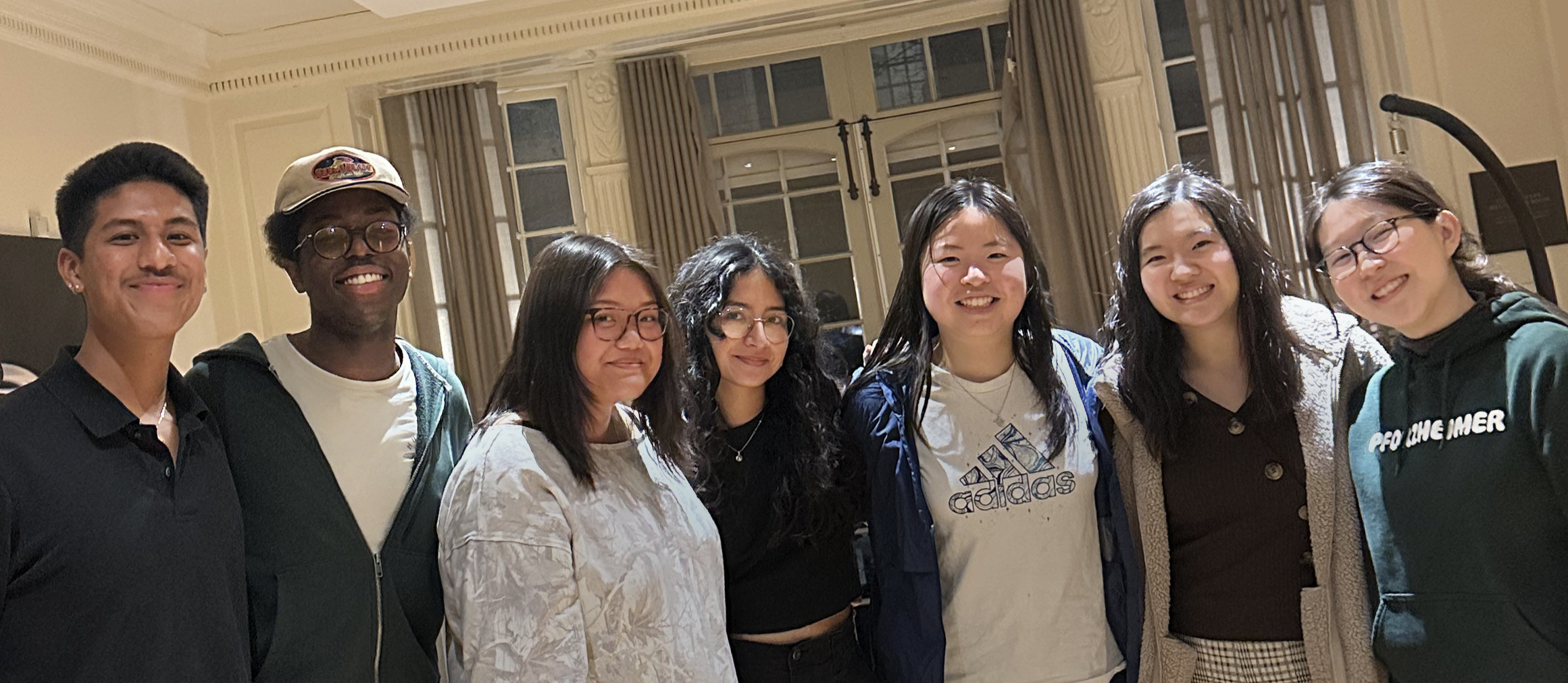
A Belonging Movement
Every young person deserves a room where they don’t have to translate who they are.
OUR MISSION
We build belonging for the young people the system reaches last, offering peer-based mental health support.
OUR MISSION
We build belonging for the young people the system reaches last, offering peer-based mental health support.
Nunchi Health creates culturally grounded mental health programs that help students feel seen, supported, and empowered before struggle becomes crisis.
Nunchi Health creates culturally grounded mental health programs that help students feel seen, supported, and empowered before struggle becomes crisis.

Our core values
Community
At Nunchi Health, community is the foundation of everything we do. We believe mental health is a collective effort. By building strong, supportive communities, we can foster healing, connection, and resilience.

Our core values
Belonging
Everyone deserves to feel that they belong. We create spaces where individuals can find connection, support, and strength. Through community, culture, and shared identity, young people can find their place in an uplifting environment.

Our core values
Equity
We are committed to creating inclusive and equitable mental health programs for all. We believe everyone deserves access to mental health resources and support, regardless of their background or circumstances.
Belonging is eroding.
Only 28% of high school seniors see their friends almost every day— a decline from 52% in the 1970s. 72% of U.S. teens have tried an AI companion, and a third have taken something serious to a bot instead of a person.
Belonging decides what comes next.
Students who belong have 3.1x higher odds of finishing a four-year degree. Among high schoolers who feel close to people at school, 14% seriously considered suicide — against 26% of those who don't.
The youth who need it most are reached last.
14% of immigrant parents say their child missed or delayed care over immigration fears. 22–26% of Black, Asian and Hispanic adolescents saw a mental health provider, against 32% of white peers.
Why The Work Matters
Belonging is deteriorating. Some young people lose it first.
For immigrant and minority youth, mental health distress has a specific driver: navigating between cultural worlds without the vocabulary, peer community, or support designed for who they are.
Belonging is eroding.
Only 28% of high school seniors see their friends almost every day— a decline from 52% in the 1970s. 72% of U.S. teens have tried an AI companion, and a third have taken something serious to a bot instead of a person.
Belonging decides what comes next.
Students who belong have 3.1x higher odds of finishing a four-year degree. Among high schoolers who feel close to people at school, 14% seriously considered suicide — against 26% of those who don't.
The youth who need it most are reached last.
14% of immigrant parents say their child missed or delayed care over immigration fears. 22–26% of Black, Asian and Hispanic adolescents saw a mental health provider, against 32% of white peers.
Sources: Twenge et al.; Common Sense Media, 2025; Read et al., 2024; CDC ABES (MMWR 2022, n = 7,705); KFF / NYT Survey of Immigrants, 2025; Ma et al., JAMA Network Open, 2025; The Trevor Project, 2024; American Psychological Association.
Sources: Twenge et al.; Common Sense Media, 2025; Read et al., 2024; CDC ABES (MMWR 2022, n = 7,705); KFF / NYT Survey of Immigrants, 2025; Ma et al., JAMA Network Open, 2025; The Trevor Project, 2024; American Psychological Association.
OUR SOLUTION
Community is the intervention.
Not replacing therapy — expanding access upstream, for those who need it most.
-
Trained Nunchi fellows — peers from within the community — lead cohorts. Adolescents are 4x more likely to disclose to a peer than a clinician.
Peer-Led
Trained Nunchi fellows — peers from within the community — lead cohorts. Adolescents are 4x more likely to disclose to a peer than a clinician.
Group-Centered
Groups meet consistently, building psychological safety that combats loneliness and forms protective social networks.
-
Groups meet weekly for 7 weeks, building psychological safety that combats loneliness and forms protective social networks.
Identity Affirming
Cultural identity is the foundation. Every element — facilitation, curriculum, group matching — is built around the terrain of marginalized youth.
-
Cultural identity is the foundation. Every element — facilitation, curriculum, group matching — is built around the terrain of marginalized youth.
Tech-Enabled
With hybrid delivery, students are able to create solidarity networks that transcend geographic barriers.
-
With hybrid delivery, students create solidarity networks that transcend geographic barriers.
OUR THEORY OF CHANGE
Nunchi turns young people from marginalized communities into healers of their own.
OUR THEORY OF CHANGE
Nunchi turns young people from marginalized communities into healers of their own.
Our programs center the lived experiences of young people from immigrant and minoritized communities. Participants find belonging in a peer cohort, learn to lead one, and grow a movement where every young person belongs.
Nunchi Health centers our programs on the lived experiences of young people from immigrant and minoritized communities. Participants find belonging in a peer cohort, learn to lead one, and grow a movement where every young person belongs.
"At Nunchi, the parts of my story that once made me feel alone became a source of connection; now, as a facilitator, I help others find that same belonging."
— Anonymous Nunchi fellow, first-generation Latina student
OUR IMPACT · 2025
Making mental health support more human.
OUR IMPACT · 2025
Making mental health support more human.
"At Nunchi, the parts of my story that once made me feel alone became a source of connection; now, as a facilitator, I help others find that same belonging."
— Anonymous Nunchi fellow, first-generation Latina student
86%
Reported improved mental health
Nunchi Fellowship participants
92%
Would highly recommend the Fellowship
Participant feedback
46
Countries of origin represented
Fellowship community
64%
More willing to seek mental health services
Conference participants
Source: Nunchi Health 2025 External Annual Report. Outcomes refer to the specific participant groups identified above. (Fellowship n = 97, Conference n = 162)
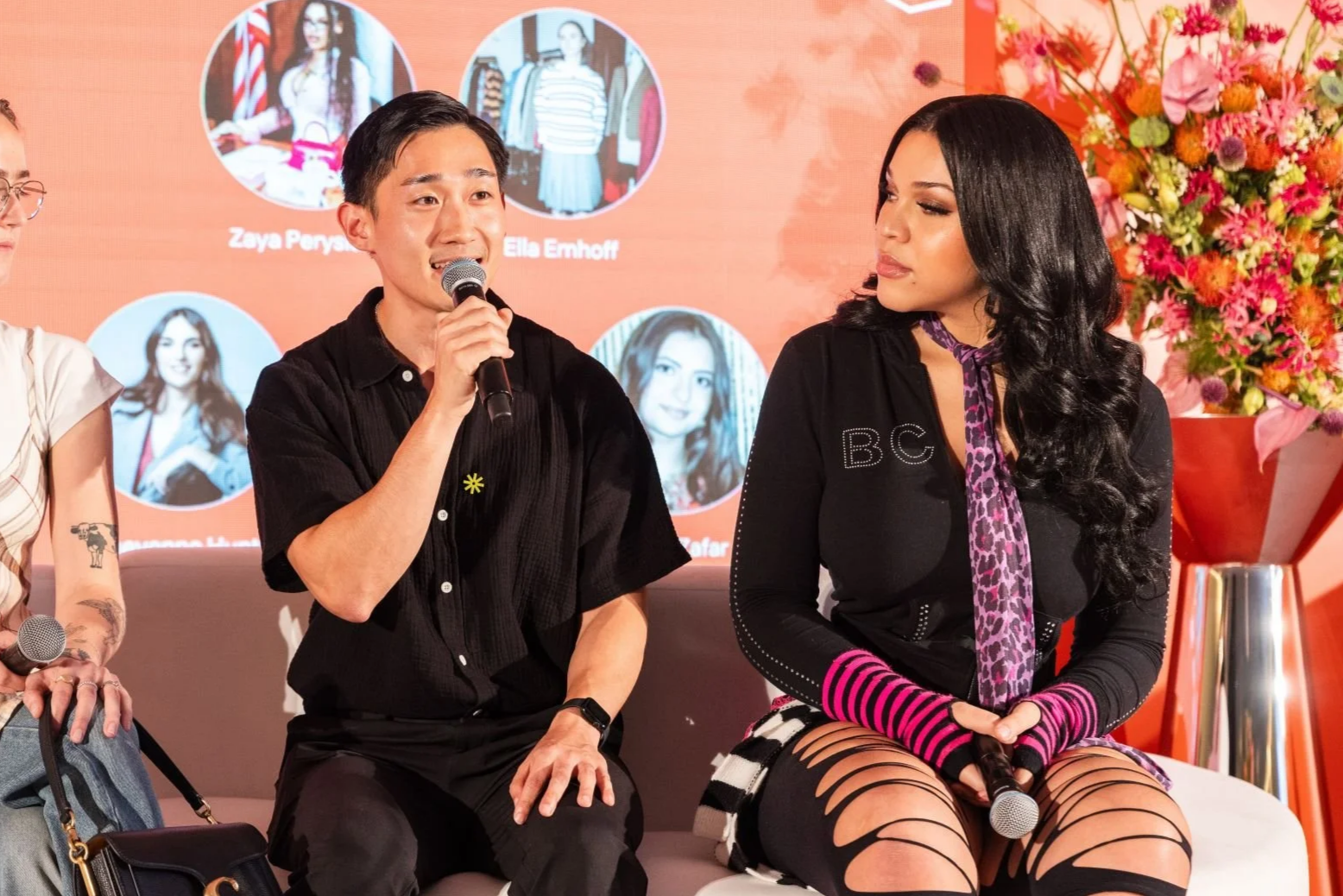
OUR VISION
A world where every young person feels understood and belongs.
Together, we can make mental health support more accessible, inclusive, and impactful.
Ways to Get Involved
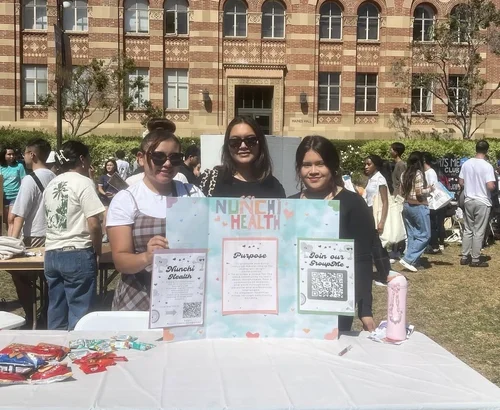
Support our work
Your donation saves lives and helps communities thrive.
Donate to our movement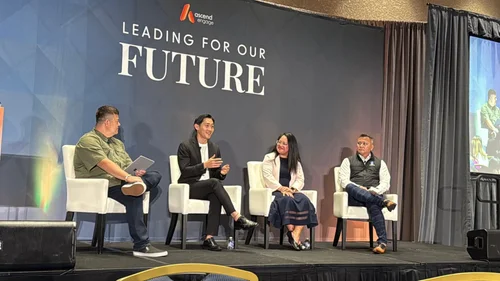
Partner with us
Your partnership empowers youth to lead mental wellness in their communities.
Become a partner
Support a student
Connect a student from an immigrant, minority, or FGLI background with free support.
Refer a student
Volunteer Opportunities
Be a part of this movement and create change today.
View opportunitiesDisclaimer
Nunchi Health is a peer-led community program, not a clinical service.
Nunchi Health is a peer support program — not therapy, treatment, or a crisis service. In an emergency, call or text 988 (US) or your local emergency number. See our full disclaimer.